
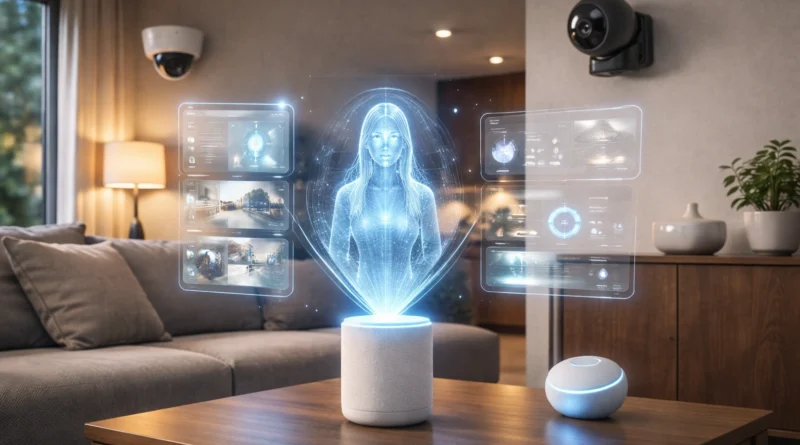
How AI Technology is Transforming Daily Life in 2026
Artificial Intelligence (AI) is no longer a futuristic concept—it is now embedded in everyday life, from homes and workplaces to healthcare and entertainment. In 2026, AI technology continues to evolve rapidly, offering smarter solutions, more personalized experiences, and practical automation. This guide explores how AI is applied today, practical ways to use it, and real-life experiences showing its impact.
1. AI in Everyday Life: Smarter Homes and Workplaces
AI has transformed the way we interact with devices. Smart assistants, connected appliances, and AI-powered apps now learn user habits, anticipate needs, and automate repetitive tasks. For example:
- Smart Home Devices: Lights, thermostats, and security systems respond automatically to routines.
- Workplace AI: Tools analyze emails, schedule meetings, and provide insights for better productivity.
Human Insight:
“In my apartment in Tunis, I set up an AI-powered smart thermostat and lights. Within two weeks, energy usage dropped by nearly 25% without any noticeable discomfort. The system even learned when I leave for work and adjusts accordingly.”
Practical Tip:
Connect all devices to a single hub and schedule firmware updates monthly to ensure smooth operation.
2. AI in Healthcare: Personalized and Predictive
Healthcare is one of the sectors most impacted by AI technology. Machine learning algorithms analyze medical records, detect anomalies in imaging, and predict potential health risks. Telemedicine apps now integrate AI to provide:
- Early warning of health issues
- Personalized treatment suggestions
- Remote monitoring of chronic conditions
Human Insight:
“A local health app in Tunis uses AI to remind patients about medications and tracks blood pressure trends. It has made managing my father’s hypertension much easier and more accurate.”
Pro Tip:
Always verify AI health recommendations with a licensed professional before taking action.
3. AI in Education: Learning That Adapts to You
AI-powered educational tools are now widely available, from adaptive learning apps to intelligent tutoring systems. These tools can:
- Adjust difficulty based on student performance
- Provide instant feedback on exercises
- Recommend study materials tailored to individual learning styles
Practical Experience:
“My cousin uses an AI English learning app that adjusts lessons daily. She improved her vocabulary in just one month by following personalized exercises suggested by the AI.”
Tip:
Combine AI learning apps with offline study sessions for the best results.
4. AI for Small Businesses: Smarter Operations
Small businesses in Tunisia and worldwide are leveraging AI to improve efficiency:
- Chatbots automate customer support
- Predictive analytics forecast sales trends
- Inventory management is optimized to reduce waste
Human Insight:
“At a local café, an AI system predicts peak hours and adjusts staff schedules accordingly, reducing wait times and improving customer satisfaction.”
5. AI Ethics and Privacy
As AI becomes more integrated into daily life, ethical concerns grow:
- Data Privacy: Always ensure personal information is securely stored
- Bias in AI: AI systems may favor certain groups unless properly trained
- Transparency: Users should understand how AI decisions are made
Practical Advice:
Choose platforms that allow local AI processing to keep sensitive data private.
6. AI-Powered Devices You Can Use Today
Some practical AI technology devices for 2026:
- Smart Speakers and Voice Assistants: Alexa, Google Assistant, or local alternatives
- AI Security Cameras: Detect motion, identify people, and integrate with alarms
- AI Energy Monitors: Track electricity usage and recommend optimizations
Human Insight:
“Installing AI-powered sensors in my living room helped detect which appliances consumed the most energy. Over a month, I reduced unnecessary electricity usage by 15%.”
7. Troubleshooting and Optimization
- Device Connectivity Issues: Check Wi-Fi stability and hub compatibility
- AI Not Learning Correctly: Reset learning routines or recalibrate sensors
- Performance Slowdowns: Close unnecessary apps or upgrade hardware if needed
Pro Tip:
Regularly check for firmware and app updates to maintain optimal AI performance.
8. Future of AI Technology
Emerging trends in AI for 2026 include:
- Generative AI: Creating realistic images, videos, and content
- Edge AI: Processing data locally on devices for faster response
- Explainable AI: Making AI decisions understandable to users
- AI Robotics: Smarter robots assisting in homes, hospitals, and industries
Practical Example:
“In Tunisia, small farms are starting to use AI-powered irrigation robots that adapt watering based on soil moisture, saving both water and labor.”
9. FAQ – AI Technology in Daily Life
Q1: Is AI useful for non-tech-savvy users?
A: Absolutely. Many AI devices work out-of-the-box with simple setup.
Q2: Can AI help save money at home?
A: Yes. Smart devices can optimize energy usage and reduce waste.
Q3: Are AI devices available locally?
A: Many popular devices are available in Tunisian electronics stores; check for compatible hubs.
Q4: Is my data safe with AI devices?
A: Use platforms with local processing or strong encryption to ensure privacy.
Q5: How much does it cost to implement basic AI tech at home?
A: Entry-level setups can start around $200–$500, depending on devices and number of rooms.