
Artificial Intelligence at Home: How AI Is Redefining Comfort, Efficiency, and Daily Habits
Artificial Intelligence at Home: How AI Is Redefining Comfort, Efficiency, and Daily Habits
Artificial Intelligence is no longer limited to laboratories or large corporations. It has quietly entered our homes and started reshaping how we live, rest, and manage daily routines. From smart lighting to intelligent energy control, AI at home is not about luxury, but about smarter living. This article explores how AI-powered home technologies improve comfort, reduce waste, and adapt to real human behavior, supported by practical experience and realistic use cases.
The Shift from Smart Devices to Intelligent Homes
In the past, smart homes relied on manual control through apps or remotes. Today, AI-driven systems learn from behavior and act automatically. Instead of telling devices what to do, homeowners allow AI to observe patterns and optimize settings. Lights turn off when rooms are empty, heating adjusts based on presence, and security systems learn what is normal activity. The home becomes responsive rather than reactive.
Real Experience: Living with AI-Based Home Automation
In my own apartment, integrating AI-based automation started as an experiment, not a full transformation. The first step was installing smart plugs and an AI-supported energy monitoring system. After two weeks, the system identified that certain devices were consuming power overnight without purpose. Automatically shutting them down reduced electricity usage noticeably, without affecting comfort. This experience showed that AI works best when it observes quietly and intervenes only when necessary.
AI and Energy Efficiency Inside the Home
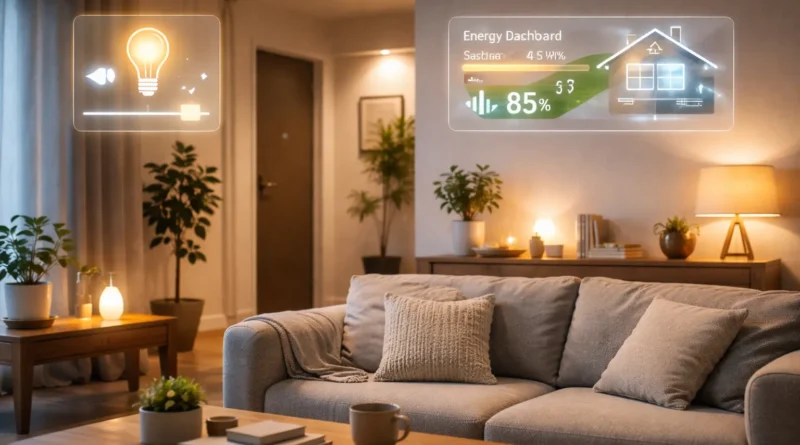
Energy management is one of the strongest use cases for AI at home. AI systems analyze usage patterns, weather data, and occupancy to optimize heating, cooling, and lighting. Instead of fixed schedules, AI adjusts settings dynamically. For example, during mild weather, cooling systems operate less aggressively, saving energy while maintaining comfort. Over time, these small adjustments lead to significant cost reduction and a lower environmental footprint.
AI-Driven Comfort: Personalized Living Spaces
Comfort is no longer one-size-fits-all. AI allows homes to adapt to individual preferences. Temperature, lighting intensity, and even background noise levels can be adjusted based on time of day and user behavior. In practice, AI learned that evenings required warmer lighting and quieter environments. Without manual input, the home atmosphere became more relaxing, proving that comfort is deeply connected to personalization.
AI in Home Security and Peace of Mind
Security systems powered by AI go beyond basic motion detection. They recognize patterns, differentiate between normal and suspicious behavior, and reduce false alerts. Instead of reacting to every movement, AI evaluates context. In a real scenario, an AI camera stopped sending unnecessary alerts caused by shadows and pets, focusing only on unusual activity. This reduced stress and increased trust in the system.
Privacy and Control: A Human Priority
One common concern about AI at home is privacy. Responsible AI systems prioritize local data processing and user control. Choosing platforms that allow data storage inside the home network reduces dependency on cloud services. From experience, using local AI processing provided faster responses and greater peace of mind. A smart home should feel safe, not intrusive.
Maintenance and Practical AI Home Management
AI does not eliminate maintenance but makes it easier. Systems notify users about unusual energy spikes, device malfunctions, or connectivity issues. Instead of discovering problems late, homeowners receive early warnings. This proactive approach prevents damage and saves money. Regular updates and occasional review of AI settings ensure long-term efficiency.
AI and Family Life: Adapting to Human Behavior
Homes are dynamic environments, especially with families. AI systems adapt to changing routines, school schedules, work-from-home days, and travel periods. During holidays, AI adjusted energy usage automatically when the house was empty, without manual intervention. This flexibility makes AI suitable for real life, not just ideal conditions.
Ethical AI Use Inside the Home
Ethical AI at home means transparency, consent, and simplicity. Users should always understand what the system is doing and why. The best AI systems explain actions clearly and allow easy overrides. Ethical design builds trust and long-term adoption. A home assistant should assist, not control.
Future of AI Homes: Subtle, Invisible, Effective
The future of AI in homes is not about more screens or complex controls. It is about invisibility. AI will operate quietly in the background, improving efficiency without constant interaction. Homes will feel more natural, not more technical. Technology will blend into daily life instead of demanding attention.
Conclusion
Artificial Intelligence at home is not about replacing human choice, but enhancing it. By learning habits, reducing waste, and improving comfort, AI helps people live better without effort. When implemented thoughtfully, AI transforms homes into responsive environments that support daily life naturally. The true value of AI is not in automation itself, but in creating balance between technology and human needs.