
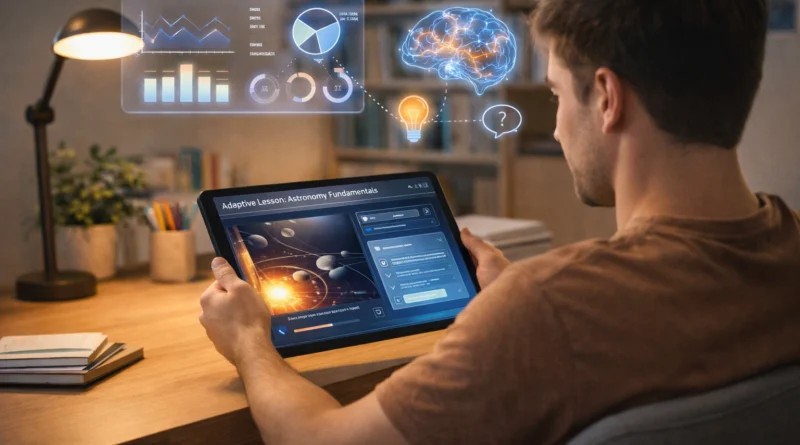
AI in Education: Transforming Learning at Home and in Schools
AI in Education: Transforming Learning at Home and in Schools
Artificial Intelligence is reshaping the way we learn, both at home and in educational institutions. From personalized tutoring to automated grading, AI is making learning more efficient, interactive, and tailored to each student’s needs. In 2026, AI-driven education platforms are not just futuristic concepts—they are practical tools that can improve learning outcomes and engagement. This article explores how AI is applied in education, real-life experiences, practical tips, and potential challenges.
Personalized Learning: AI Adapts to Each Student
AI algorithms can analyze a student’s learning patterns, strengths, and weaknesses to provide personalized content and exercises. For example, AI tutoring platforms can adjust difficulty levels in real-time based on performance. In my experience, using an AI math tutor with my younger cousin in Tunis helped him improve his problem-solving speed and accuracy in just a few weeks. The platform highlighted areas he struggled with and recommended exercises specifically for those gaps.
AI-Assisted Homework and Study
AI tools can help students organize homework, suggest optimal study schedules, and even provide instant feedback on assignments. By analyzing past performance, AI predicts which topics require more focus. At home, I noticed that integrating an AI study assistant helped my niece manage her school projects efficiently while balancing extracurricular activities. Notifications and reminders kept her on track without feeling overwhelmed.
Automated Grading and Feedback
Teachers can benefit from AI-powered grading systems that evaluate essays, quizzes, and assignments automatically. These tools provide detailed feedback, saving teachers time while ensuring students receive constructive guidance. In a Tunis high school, implementing AI-assisted grading reduced teacher workload significantly and allowed more time for one-on-one support.
Interactive Learning with AI
AI enhances engagement through interactive simulations, virtual labs, and gamified lessons. Students can explore scientific experiments, historical events, or mathematical concepts in immersive digital environments. Personally, experimenting with AI-driven chemistry simulations at home made abstract concepts much easier to understand and retain.
AI for Special Education
AI plays a crucial role in supporting students with learning difficulties. Speech recognition, personalized reading assistance, and adaptive exercises help students learn at their own pace. In a local pilot program, AI reading tutors assisted children with dyslexia, improving reading speed and comprehension noticeably within two months.
Privacy and Ethical Considerations in AI Education
Student data is sensitive, and AI education platforms must prioritize privacy and security. Local data storage, encrypted communication, and transparent algorithms are essential. When using AI apps at home, I ensured that my cousin’s learning progress and personal information were processed offline, protecting his privacy while still benefiting from AI insights.
Practical Tips for Using AI in Education
Start small: Introduce one AI tool at a time to avoid overwhelming students.
Monitor usage: Review AI recommendations and results weekly to guide students effectively.
Combine with traditional learning: AI supports education but does not replace teachers or parental guidance.
Regular updates: Keep software and apps updated to avoid bugs or outdated content.
Future Outlook: AI as a Learning Partner
The future of AI in education is about collaboration, not replacement. AI will become a learning companion, providing real-time support, adaptive content, and motivational tools. Personalized AI learning environments will help students reach their potential while teachers focus on mentorship, creativity, and critical thinking.
Conclusion
AI is transforming education into a personalized, interactive, and efficient experience. Real-life examples show that AI can enhance learning outcomes at home and in schools while supporting teachers and caregivers. By integrating AI responsibly—with attention to privacy, ethics, and balance—students can enjoy a modern learning experience that prepares them for a rapidly evolving world.